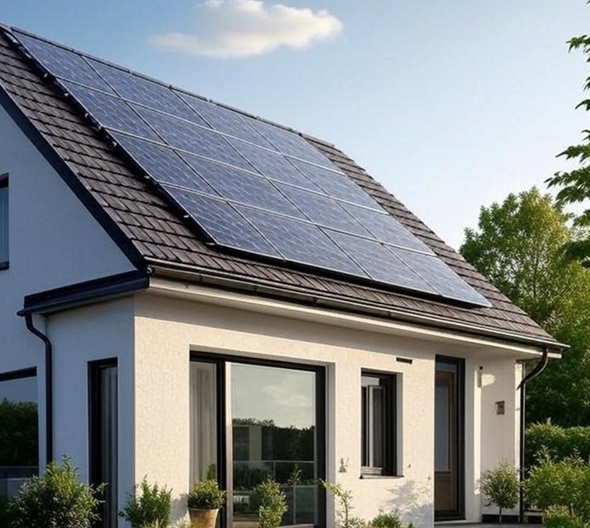
Key Considerations with energy costs rising and sustainability taking center stage, installing a home photovoltaic (PV) system is a smart move for homeowners looking to save money and reduce their carbon footprint. In 2025, solar technology is more accessible than ever, with options for every budget and home size. But choosing the right PV system can feel overwhelming—panels, inverters, batteries, and installation details all come into play. This guide breaks down the essential considerations to help you select the perfect home PV system, ensuring you get the most value, efficiency, and long-term savings.
Why Go Solar in 2025?
Solar power isn’t just a trend—it’s a game-changer. The global solar market is expected to grow at a 20% CAGR through 2030, driven by falling panel prices and government incentives. A home PV system can cut your electricity bill by 50–90%, depending on your setup, and increase your property value by up to 4%. Plus, you’re contributing to a greener planet by reducing reliance on fossil fuels. But not all PV systems are created equal—here’s what to consider to make an informed choice.
1. Assess Your Energy Needs
Before browsing solar panels, calculate how much electricity your home uses. This determines the size and capacity of the PV system you need.
How to Do It: Review your past 12 months of utility bills to find your average monthly kilowatt-hour (kWh) usage.
System Size: A 1 kW solar system generates roughly 1,200–1,600 kWh/year, depending on your location’s sunlight. A 5 kW system suits most homes, covering 50–70% of energy needs.
Considerations: Account for future changes, like adding an electric vehicle (EV) or expanding your family, which could increase usage. Oversizing slightly can save costs later.
Tip: Use a solar calculator to estimate your system size based on usage and location.
Pro Tip: Pair your PV system with energy-efficient appliances to maximize savings. Explore energy-saving home products for ideas.
2. Evaluate Your Roof and Property
Your home’s physical characteristics play a big role in PV system performance.
Roof Condition: Solar panels last 25–30 years, so ensure your roof is in good shape (less than 10 years old) to avoid costly replacements during installation. Check for leaks or structural issues.
Orientation and Tilt: South-facing roofs (in the Northern Hemisphere) with a 15–40° tilt get the most sunlight. East/west orientations work but may reduce output by 10–20%.
Shading: Trees, chimneys, or nearby buildings can block sunlight, lowering efficiency. Use tools like Google’s Project Sunroof to analyze shading.
Space: A 5 kW system needs about 300–400 square feet of roof space. If your roof is small, consider ground-mounted panels or high-efficiency models.
3. Choose the Right Solar Panel Type
Not all panels are the same—efficiency, cost, and durability vary. Here’s a breakdown of the main types in 2025:
Monocrystalline: Most efficient (18–22%), durable, and ideal for small roofs. Higher cost ($0.90–$1.20/watt) but better long-term value.
Polycrystalline: Slightly less efficient (15–18%) and cheaper ($0.70–$1/watt). Good for larger roofs with budget constraints.
Thin-Film: Lightweight and flexible but less efficient (10–13%). Best for portable or non-traditional setups, though less common for homes.
Considerations: Look for panels with at least a 25-year performance warranty and efficiency above 18%.
4. Understand Inverters and Batteries
A PV system isn’t just panels—it needs components to convert and store energy.
Inverters: These convert solar energy (DC) to usable electricity (AC). Options include:
String Inverters: Affordable, centralized units ($1,000–$2,000). Best for unshaded roofs.
Microinverters: Attached to each panel, improving efficiency in shaded areas. More expensive ($100–$150/panel).
Hybrid Inverters: Combine solar and battery management for future-proofing.
Top Pick: Enphase microinverters for reliability and scalability.
Batteries: Store excess energy for nighttime or outages. Lithium-ion batteries (e.g., Tesla Powerwall, $8,000–$12,000) are popular for their longevity (10–15 years). Consider batteries if your utility doesn’t offer net metering or if you want energy independence.
Considerations: Check inverter warranties (10–12 years) and battery capacity (e.g., 10–13.5 kWh for a Powerwall). Batteries add $5,000–$15,000 to costs but are crucial for off-grid setups.
5. Explore Financing and Incentives
Solar systems cost $10,000–$25,000 for a typical 5–8 kW setup before incentives. Understanding financing options makes it affordable.
Purchase Options:
Cash: Highest ROI (8–12% annually) but requires upfront funds.
Loans: Solar loans offer 0–5% interest rates with 5–20-year terms.
Leases/PPAs: Pay monthly for solar power without owning the system. Lower savings but no upfront cost.
Incentives: Many governments or organizations round the world provide subsidies to aid in the installation of PV systems. Check first before buying.
Considerations: Compare loan terms and calculate payback periods (typically 6–10 years). Avoid leases if you want to maximize savings.
6. Select a Reputable Installer
A good installer ensures efficiency and reliability. In 2025, local and national installers compete, so do your homework.
How to Choose:
Look for certifications.
Check reviews on platforms like EnergySage or SolarReviews.
Get 3–5 quotes to compare pricing, warranties, and equipment.
Red Flags: Avoid companies pushing leases without clear terms or those with poor customer service ratings.
Tip: National brands like Sunrun or Tesla offer streamlined service, while local installers may provide personalized support.
Find trusted installers for competitive quotes.
7. Consider Maintenance and Long-Term Value
PV systems are low-maintenance but not maintenance-free.
Upkeep: Clean panels 1–2 times/year (especially in dusty areas) and inspect for debris. Most installers offer maintenance plans ($100–$300/year).
Warranties: Ensure panels have a 25-year performance warranty (80–85% output) and inverters have 10–12 years.
Monitoring: Use apps to track energy production and spot issues early.
Value Add: Solar increases home resale value by 3–4%, especially in eco-conscious markets.
Monitor your system with monitoring tools for real-time insights.
8. Align with Your Sustainability Goals
A PV system is a step toward greener living, but consider how it fits your broader eco-goals.
Complementary Products: Pair solar with energy-efficient appliances, smart thermostats, or EV chargers to maximize impact.
Carbon Offset: A 5 kW system offsets about 4 tons of CO2 annually, equivalent to planting 100 trees.
Community Impact: Some programs (e.g., community solar) let you support local renewable projects if rooftop solar isn’t an option.
Final Thoughts: Start Your Solar Journey Today
Choosing a home PV system in 2025 is an investment in savings, sustainability, and energy independence. By assessing your energy needs, evaluating your property, selecting quality components, and leveraging incentives, you can build a system that pays off for decades. Take it step-by-step—start with a solar calculator, compare quotes, and consult certified installers to find the perfect fit.
 Life-Simplified
Leave a comment